
Corrosion-Resistant Fasteners: Choosing Between SS304, SS316, HDG & Zinc Flake
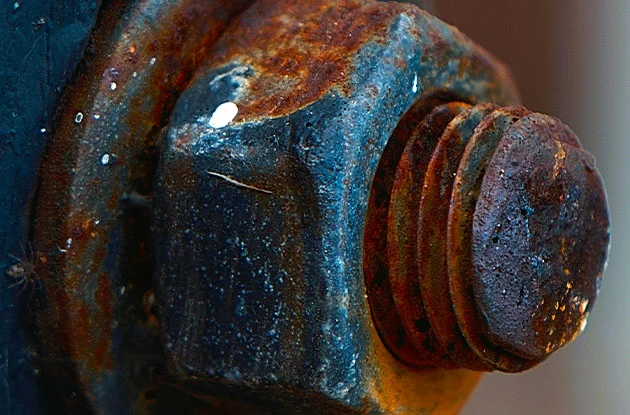
In industrial environments, corrosion isn’t just cosmetic it’s structural.
From offshore oil rigs and coastal wind farms to chemical plants and power stations, fasteners are constantly exposed to moisture, chlorides, chemicals, and temperature fluctuations. Choosing the wrong corrosion protection system can lead to:
- Loss of preload
- Thread seizure
- Pitting corrosion
- Hydrogen embrittlement
- Premature joint failure
The key question isn’t “Which fastener is cheaper?”
It’s “Which corrosion-resistant fastener ensures long-term reliability?”
This guide explains how to choose between SS304, SS316/316L, Hot Dip Galvanized (HDG), and Zinc Flake coatings based on environment, performance, and lifecycle cost.
Understanding Corrosion in Industrial Applications
Corrosion is an electrochemical reaction between a metal and its environment. The severity depends on:
- Chloride concentration (coastal areas)
- Humidity and moisture exposure
- Industrial pollutants
- Chemical exposure
- Temperature fluctuations
Different industries face different corrosion risks.
Environment-Based Fastener Selection
Coastal & Marine Environments
Salt-laden air accelerates pitting corrosion.
Best options:
- SS316 / SS316L
- Zinc Flake (for structural applications)
Avoid standard carbon steel with basic plating in high-salinity zones.
Industrial & Urban Environments
Moderate humidity + pollution.
Suitable options:
- SS304
- HDG
- Zinc Flake (depending on exposure)
Chemical Plants & Refineries
Exposure to acids, alkalis, and high temperatures.
Recommended:
- SS316L (improved resistance to chlorides)
- Special alloy grades (if required by spec)
- ASTM-grade stainless studs for pressure systems
SS304 vs SS316L: What’s the Difference?

🔹 SS304 Fasteners
- Good corrosion resistance
- Suitable for general industrial use
- Cost-effective
- Performs well in non-chloride environments
Common applications:
- Indoor machinery
- Structural assemblies
Mild industrial zones
🔹 SS316 / SS316L Fasteners
- Contains molybdenum
- Superior resistance to chloride-induced corrosion
- Better performance in marine and chemical environments
- 316L offers lower carbon content → improved weldability and reduced carbide precipitation
Common applications:
- Coastal wind turbines
- Offshore platforms
- Chemical plants
- Food processing
If chlorides are present, SS316L is typically the safer choice.
Hot Dip Galvanized (HDG) Fasteners

HDG provides a thick zinc coating through immersion in molten zinc.
Benefits:
- Excellent sacrificial corrosion protection
- Thick coating (typically 50–85 microns)
- Suitable for outdoor structural use
- Cost-effective for large steel structures
Considerations:
- Coating thickness may affect thread fit
- Not ideal for tight tolerance assemblies
- Hydrogen embrittlement risk is lower than electroplating, but quality control is essential.
Common applications:
- Transmission towers
- Bridges
- Structural steel
- Industrial infrastructure
Zinc Flake Coatings

Zinc flake is a non-electrolytic coating system applied via dip-spin or spray.
Benefits:
- Uniform thin coating
- Excellent corrosion resistance
- High salt spray performance
- Reduced hydrogen embrittlement risk
- Maintains dimensional accuracy
Ideal for:
- Automotive components
- Wind energy structures
- Precision assemblies
- Applications requiring torque control
Compared to HDG, zinc flake offers better dimensional control and consistent torque-tension behavior.
Hydrogen Embrittlement: A Hidden Risk
High-strength fasteners (especially ≥ Grade 10.9 or ASTM equivalents) are vulnerable to hydrogen embrittlement when electroplated.
Hydrogen can enter steel during:
- Acid pickling
- Electroplating
- Improper coating processes
This can cause delayed brittle fracture — often catastrophic.
Prevention:
- Avoid uncontrolled electroplating
- Use baking procedures
- Prefer zinc flake for high-strength bolts
- Ensure controlled coating processes
At Kant Fasteners, coating selection is engineered based on strength class and environment to reduce this risk.
Hydrogen Embrittlement: A Hidden Risk
High-strength fasteners (especially ≥ Grade 10.9 or ASTM equivalents) are vulnerable to hydrogen embrittlement when electroplated.
Hydrogen can enter steel during:
- Acid pickling
- Electroplating
- Improper coating processes
This can cause delayed brittle fracture often catastrophic.
Prevention:
- Avoid uncontrolled electroplating
- Use baking procedures
- Prefer zinc flake for high-strength bolts
- Ensure controlled coating processes
At Kant Fasteners, coating selection is engineered based on strength class and environment to reduce this risk.
Coating Thickness & Durability
| Protection Type | Typical Thickness | Corrosion Resistance | Dimensional Impact |
|---|---|---|---|
|
SS304 |
Base material |
Moderate |
None |
|
SS316L |
Base material |
High |
None |
|
HDG |
50–85 microns |
High |
Moderate |
|
Zinc Flake |
8–20 microns |
High |
Minimal |
Zinc flake is a non-electrolytic coating system applied via dip-spin or spray.
Cost vs Lifecycle Performance
Lowest upfront cost does not equal lowest lifetime cost.
Consider:
- Maintenance frequency
- Replacement cost
- Downtime impact
- Safety implications
For example:
- SS316L may cost more initially but prevents corrosion-related shutdowns.
- Zinc flake may reduce torque scatter and improve assembly reliability.
- HDG offers excellent structural protection at competitive cost.
In heavy engineering, corrosion protection is a lifecycle investment — not a commodity purchase.
Quick Selection Guide
| Environment | Recommended Fastener |
|---|---|
|
Coastal / Marine |
SS316 / SS316L |
|
Chemical |
SS316L |
|
Industrial Outdoor |
HDG or Zinc Flake |
|
Precision + Corrosion |
Zinc Flake |
|
Mild Indoor |
Content |
The Kant Fasteners Approach
At Kant Fasteners, we help OEMs, EPC contractors, and procurement teams choose corrosion-resistant fasteners based on:
- Environmental exposure
- Load requirements
- Grade compatibility
- Hydrogen embrittlement risk
- Torque–tension performance
- Lifecycle cost
We manufacture and supply:
- SS304 & SS316L fasteners
- Hot Dip Galvanized bolts
- Zinc flake coated high-tensile bolts
- ASTM and ISO grade fasteners
- Custom corrosion-resistant solutions
Because in corrosive environments, reliability starts at the fastener.
Need Help Selecting Corrosion-Resistant Fasteners?
Whether you’re designing for offshore, chemical, power, or infrastructure applications, our engineering team can help you select the right material and coating.
📩 sales@kantfasteners.com
🌐 www.kantfasteners.com
📞 +91-75591 17196